
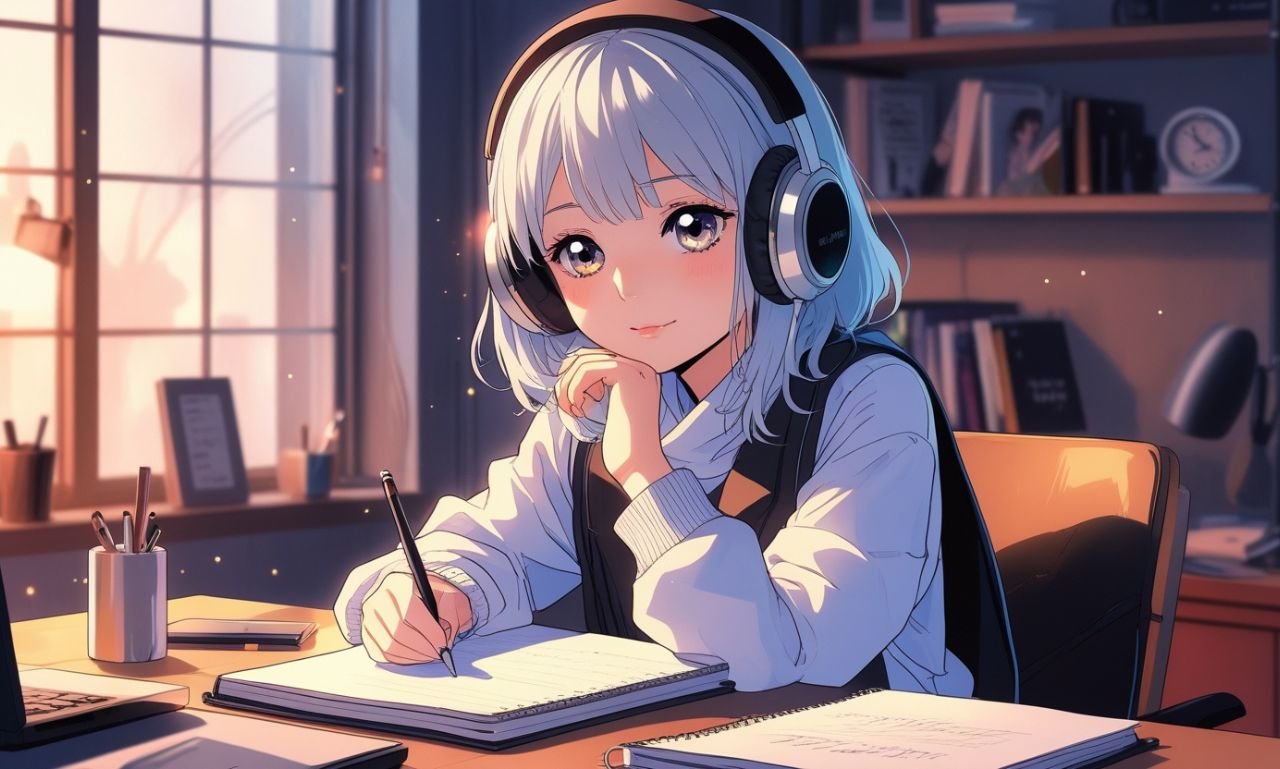
What Is Doujin Moe?
Doujin moe (同人萌え) is a Japanese subculture term combining two key concepts:
-
Doujin (同人): Refers to self-published works, typically fan-made comics, games, or novels
-
Moe (萌え): Describes a strong affection or adoration for fictional characters, often characterized by their cute, charming, or endearing traits
Together, doujin moe represents fan-created content that focuses on expressing and celebrating the “moe” appeal of characters—usually through illustrations, stories, or games that highlight their adorable, wholesome, or emotionally resonant qualities.
It’s not just about creating fan art; it’s a cultural practice where fans channel their passion into original or derivative works that evoke specific emotional responses centered around affection, protection, or admiration for fictional characters.
The Origins and Evolution of Doujin Moe Culture
Historical Roots
-
1970s–1980s: Emerged from Japan’s doujinshi (fan comic) culture, where fans created and traded self-published works at events like Comic Market (Comiket)
-
1990s: The concept of “moe” gained prominence alongside the rise of anime, manga, and dating sim games
-
2000s–Present: Expanded globally through the internet, with platforms like Pixiv, Twitter, and Discord enabling international communities to share moe-focused doujin works
Key Influences
-
Anime and Manga Series: Shows like K-On!, Lucky Star, and Laid-Back Camp helped popularize moe character archetypes
-
Visual Novels and Games: Franchises like Touhou Project and Kantai Collection inspired massive doujin moe creative output
-
Idol Culture: Groups like Love Live! and THE iDOLM@STER blend moe appeal with music and performance
Characteristics of Doujin Moe
1. Character-Centric Focus
-
Stories and art revolve around character personalities, interactions, and daily life rather than complex plots
-
Emphasis on “slice of life” moments that highlight endearing behaviors
2. Specific Character Archetypes
Common moe traits celebrated in doujin works include:
-
Gap Moe: A contrast between a character’s usual demeanor and unexpected cute behavior (e.g., a stern character who loves stuffed animals)
-
Ahoge: The iconic “hair antenna” that symbolizes playful innocence
-
Tsundere: Characters who act tough but show soft, affectionate sides
-
Genki: Energetic, cheerful personalities that radiate positivity
3. Art Style and Aesthetics
-
Exaggerated Cuteness: Large eyes, soft color palettes, and expressive faces
-
Emphasis on Details: Attention to clothing, accessories, and small gestures that enhance character appeal
-
Wholesome Themes: Generally avoids extreme content, focusing on comfort and admiration
4. Community and Sharing
-
Circles (Creative Groups): Fans often collaborate in small circles to produce doujin works
-
Events and Markets: Dedicated spaces like Comiket, M3 (for music), or local doujin markets
-
Digital Sharing: Social media and platforms like Fantia, Booth, or Patreon for distributing works
Why Doujin Moe Appeals to Fans
Emotional Comfort and Connection
-
Provides a sense of iyashikei (healing) through comforting, low-stakes narratives
-
Allows fans to form parasocial relationships with characters, offering emotional support
Creative Expression
-
Enables fans to explore “what if” scenarios or expanded stories beyond original works
-
Celebrates characters in new contexts—school life, festivals, seasonal activities, etc.
Community Belonging
-
Fans connect through shared affection for specific characters or series
-
Collaborative projects and feedback create supportive creative networks
Accessible Entry Point
-
Unlike professional anime/manga production, doujin creation is open to anyone with passion
-
Encourages amateur artists and writers to participate and improve
Popular Doujin Moe Genres and Formats
1. Doujinshi (Fan Comics)
-
4-koma: Four-panel comics focusing on humorous or sweet character interactions
-
Anthologies: Collections of short stories by multiple artists centered on one series
-
Character Studies: Deep dives into a character’s personality, backstory, or daily life
2. Fan Games
-
Dating Sims: Games where players interact with moe characters
-
Puzzle or Casual Games: Lighthearted games featuring beloved characters
-
RPG Maker Games: Story-driven adventures with moe-inspired character designs
3. Music and Audio
-
Doujin Music: Original songs or covers celebrating characters
-
Drama CDs: Voice-acted scenarios that expand character relationships
-
ASMR: Relaxing audio content featuring character voices
4. Goods and Merchandise
-
Keychains, Stickers: Small, affordable items featuring character art
-
Illustration Books: Collections of artwork centered on moe themes
-
Clothing: T-shirts, hoodies, or accessories with subtle character designs
Getting Started as a Doujin Moe Fan
How to Explore the Culture
-
Find Your Entry Series
-
Start with popular moe-focused anime like K-On! or Is the Order a Rabbit?
-
Explore doujin-friendly game series like Touhou Project or Uma Musume
-
-
Browse Platforms
-
Pixiv: The largest Japanese art community with extensive doujin moe artwork
-
Twitter: Follow artists using hashtags like #萌え or #オリジナル (for original characters)
-
Niconico: Japanese video site with doujin music and MAD movies
-
-
Attend Events (Virtually or Physically)
-
Check for local anime conventions with artist alleys
-
Explore online doujin markets, especially since 2020
-
-
Support Creators
-
Purchase digital works from Booth.pm or Fantia
-
Use platforms like Patreon or Fanbox to support favorite artists monthly
-
Etiquette and Best Practices
-
Respect Creators: Always credit artists when sharing their work
-
Understand Boundaries: Not all moe content is “cute” in a childish way—some explores deeper emotional themes
-
Avoid Piracy: Support creators directly when possible
-
Engage Positively: The community thrives on encouragement and shared enthusiasm
Common Misconceptions About Doujin Moe
Myth 1: “It’s Just for Kids”
-
Reality: Moe appeals to all ages and often explores nuanced emotional themes
-
Many doujin moe works tackle friendship, growth, nostalgia, and personal challenges
Myth 2: “It’s All About Romance”
-
Reality: While romance exists, much doujin moe focuses on platonic relationships, family bonds, or self-discovery
-
The core is emotional connection, not necessarily romantic love
Myth 3: “It’s Only About Female Characters”
-
Reality: While historically female-focused, ikemen (handsome male) moe and gender-neutral moe have grown significantly
-
Series like Hypnosis Mic or Ensemble Stars! have strong male-character doujin moe scenes
Myth 4: “It’s Not ‘Real’ Art or Literature”
-
Reality: Many professional artists began in doujin circles
-
The creativity, technique, and emotional impact in doujin moe works are genuine artistic expressions
The Global Reach of Doujin Moe
International Adoption
-
Western “Moe”: Terms like “waifu” and “headcanon” entered global anime fandom vocabulary
-
Korean and Chinese Circles: Strong doujin scenes with local characteristics blended with Japanese moe aesthetics
-
South American and Southeast Asian Communities: Growing participation in doujin creation and sharing
Cross-Cultural Adaptations
-
Original Characters (OCs): Fans worldwide create original moe characters blending local and Japanese influences
-
Fusion Styles: Moe aesthetics combined with Western animation styles or cultural themes
The Future of Doujin Moe Culture
Technological Innovations
-
VR and AR: Immersive character experiences
-
AI-Assisted Creation: Tools that help fans create higher-quality doujin works
-
Global Digital Distribution: Easier access to doujin works worldwide
Evolving Themes
-
Greater Diversity: More varied character backgrounds, body types, and personalities
-
Social Commentary: Using moe frameworks to explore contemporary issues subtly
-
Interactivity: Blurring lines between viewer, creator, and character
Conclusion: More Than Just “Cute”
Doujin moe represents a heartfelt, creative, and communal expression of affection for fictional characters. It’s a culture where fans don’t just consume media—they actively participate in expanding and celebrating the worlds and characters they love.
For new fans, the journey into doujin moe offers:
-
A Creative Outlet: Whether making or appreciating, it encourages artistic engagement
-
Emotional Resonance: Finding comfort and joy in character-driven stories
-
Community Connection: Meeting others who share your passions
-
Cultural Understanding: Gaining insight into Japanese fan culture and its global influence
Start by finding one character or series that sparks that “moe” feeling in you. Explore fan works, maybe try creating something simple yourself, and join conversations. You’re not just observing a culture—you’re becoming part of a worldwide community that finds meaning, comfort, and creativity in the celebration of fictional characters and their endearing qualities.